

Humanity is getting an F in the Arctic.
That’s the basic message of the Arctic Report Card, a compendium of scientific observations issued annually by the U.S. National Oceanic and Atmospheric Administration. Launched in 2006, the report tracks changes to some of the defining components of Arctic ecosystems: temperatures, precipitation, thickness and extent of ice on the sea and on land, etc. Perusing the archive, the trends are painfully clear. Air and sea temperatures going up. Snow cover going down. Greenland ice sheet steadily losing mass. All of these changes (along with permafrost thaw, Atlantification of the sea, and more1) impact the whole planet — they are telling us that our climate system is getting knocked increasingly out of whack by the mass burning of fossil fuels. If the goal is a stable biosphere, the Arctic Report Card tells us we are failing.
President Trump would prefer to live in a world in which he never fails at anything, so his administration has cancelled the Arctic Report Card.2
This is, of course, part of a pattern of shutting down scientific assessments that tend to provide information the administration doesn’t want to hear. Twila Moon, senior researcher at the National Snow and Ice Data Center, described it this way on LinkedIn:
“Add this to other climate information cancellations: dissolution of climate.gov, removal of reporting on billion dollar disasters, last-minute termination of the National Nature Assessment, and more….”
Moon is a highly respected glaciologist who has served as a lead editor of the Arctic Report Card. She knows what’s at stake here:
“The Arctic is the fastest changing region of the planet. Compounding hazards are influencing lives and livelihoods for the Arctic’s ~4 million people. And Arctic change is also creating wide ripples - influencing business, geopolitics, security, travel, coastal flooding, and so much more. What a devastating time to make timely, accurate, and integrated observations of the Arctic harder to access.”
Trimble Gilbert is one of those four million people who lives in the Arctic, and he understands these changes in an intimate, immediate way. He’s a traditional chief and a revered elder from the Gwich’in community of Arctic Village, Alaska. I met him in 2017 when I was reporting in Alaska for Threshold, and my interview with him stands out as one of the most memorable of my career. I don’t know if I can fully explain why — it’s a combination of what Trimble had to say and how he said it, mixed together with the remarkable life he has lived.
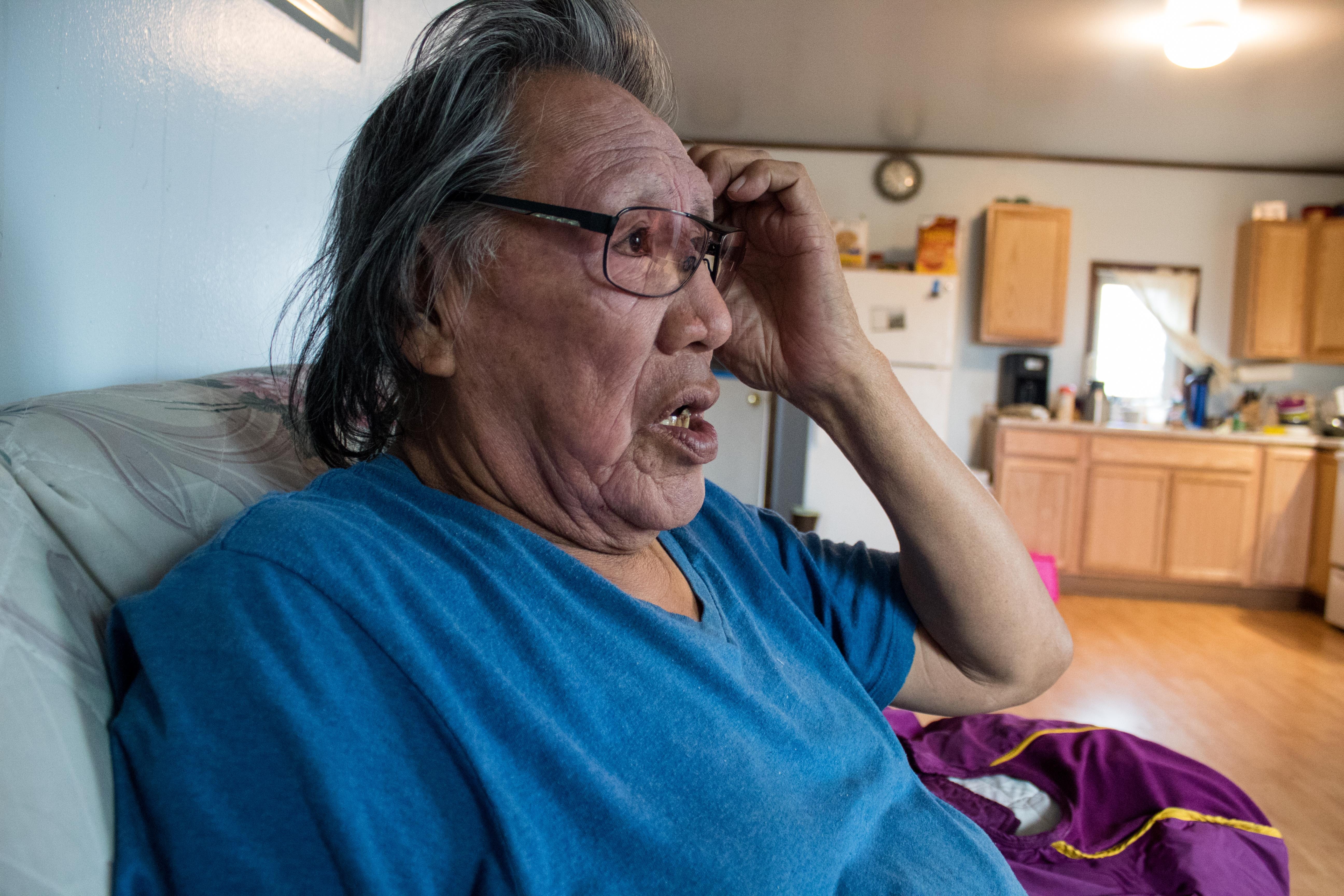
Like Sarah James and other Gwich’in elders I interviewed in Arctic Village,3 Trimble grew up learning how to survive on the land and provide for his family and community with traditional foods — caribou, fish, birds, berries. He is deeply knowledgeable about the land, water, and animals around him, and he’s worried about how they’re changing.
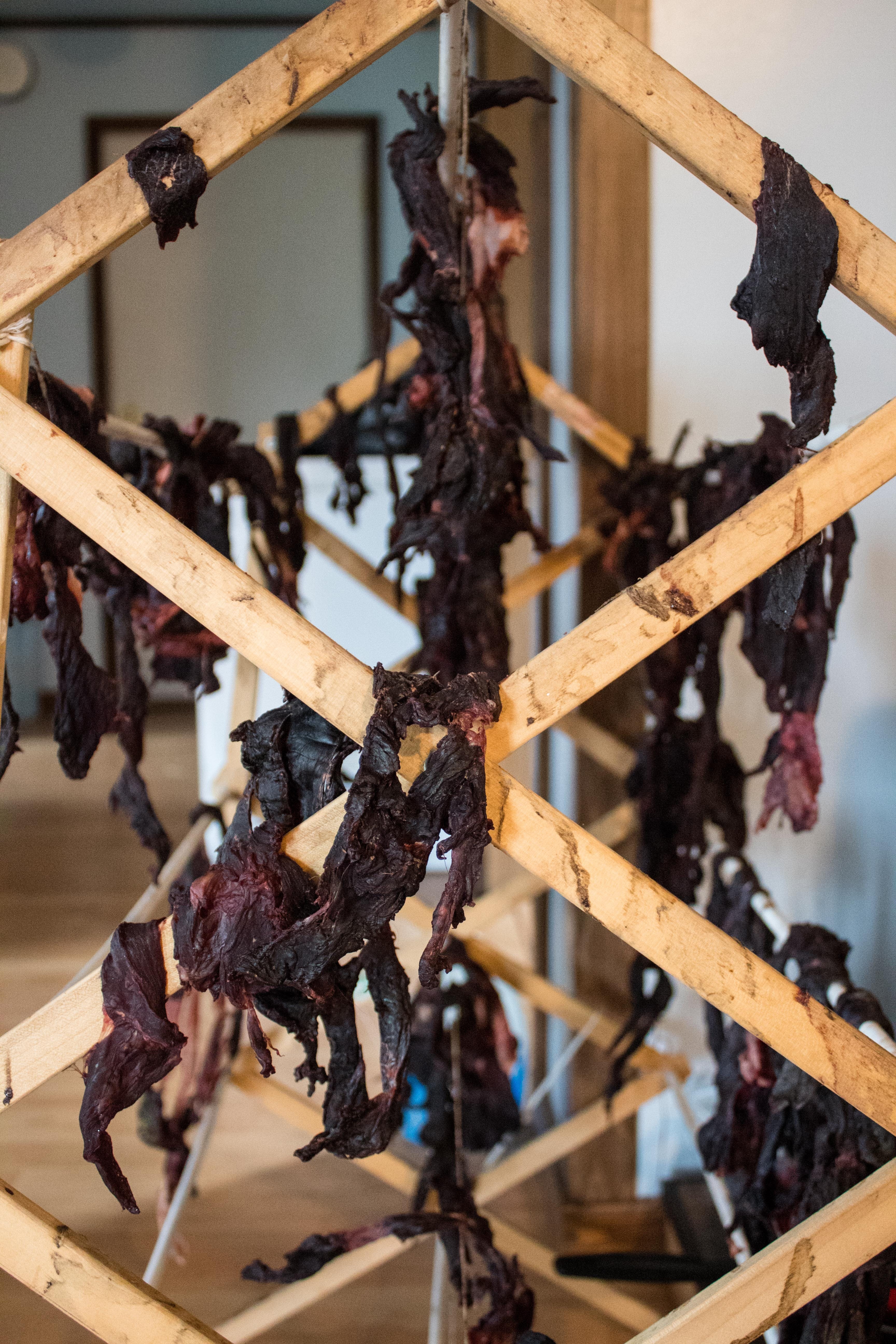
You can hear from Trimble in the “Arctic dispatch” we’re releasing on the Threshold feed today. Here’s a short clip — just search for Threshold in your podcast app to hear the whole thing.
There’s an update on another story there, too — the push to drill for oil and gas in the Arctic National Wildlife Refuge, and the lease sale that happened a few months ago.
The news from the Arctic might be heavy, but revisiting this conversation with Trimble Gilbert reminds me why I decided to pour my attention toward the far north a decade ago. It’s a beautiful, fascinating part of our planet, and no matter where we live, we are both changing it, and changed by what happens there. I don’t think we’re listening deeply enough to the Arctic, or to the people who live there.
The acidification, or “rusting,” of Arctic rivers is an additional alarming trend.
Additional reporting on the cancellation of the Arctic Report Card from the Alaska Beacon and The Guardian.
You can hear more voices from Arctic Village and other communities in Threshold’s Peabody Award-winning season, The Refuge.
Climate.gov has an independent successor at climate.us with contributions from many of the same researchers
Thank you Amy!